When one section of your yard stays dry while the rest of your sprinkler system works, the problem is often isolated to a single zone. In Katy and Greater Houston, common causes include controller settings, wiring problems, a valve that does not open, or a pipe issue. The visible symptom matters: a zone that does nothing is different from one that sprays weakly.
Start by checking what the controller is doing
Run the affected station manually from your sprinkler controller, following the instructions for your model. Does its display show the station running, and does water reach the heads? Compare that result with the station's scheduled operation.
If the zone works manually but misses scheduled watering, check that it has a run time greater than zero in the intended program, that the watering days and start time are correct, and that the controller is set for automatic operation. Also review rain-delay and sensor settings. Rain-sensor behavior during a manual test varies by controller: some models, including the Rain Bird ESP-ME3, ignore the rain sensor during manual watering and allow sensor settings by station. A successful manual run does not prove the automatic schedule or sensor settings are correct.
If the zone will not run manually either, note whether other stations work and whether the controller shows an error. If no zones operate, consider a system-wide issue such as the water supply or controller power rather than assuming one station has failed.
If the controller reports the station is running but no water appears, that narrows the possibilities, although it does not prove the valve or wire is defective. Avoid changing multiple settings at once; record what you observe so the fault can be traced efficiently.
The pattern of the problem is a useful clue
No heads pop up anywhere in that zone during a manual test: the valve may not be receiving or responding to an electrical command, or water may not be reaching the zone. Check the manual-watering instructions for your controller before interpreting the result.
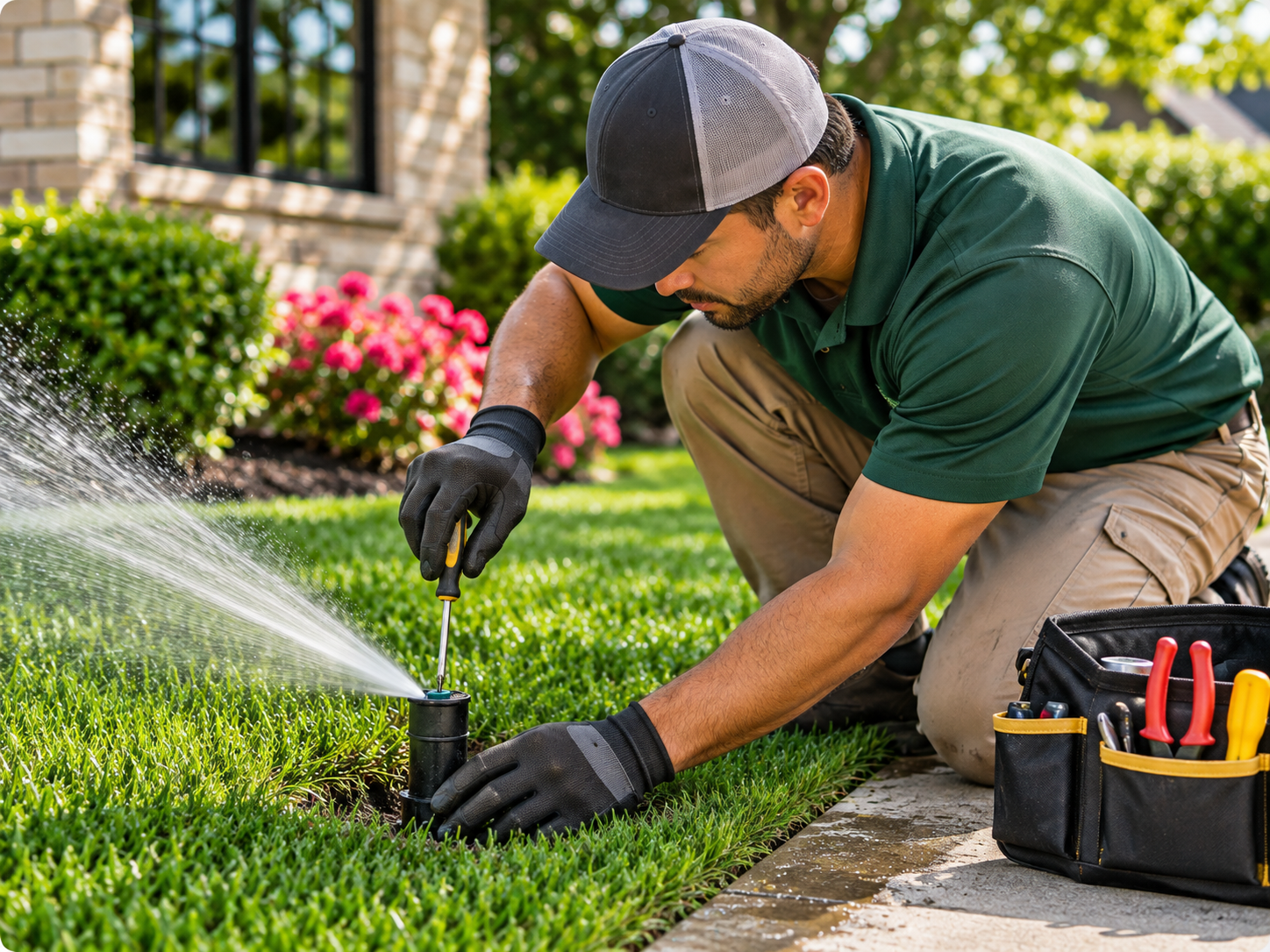
A few heads run, but others do not: inspect for clogged or damaged nozzles, blocked spray, and signs of low pressure. A hidden pipe break or restriction can also reduce flow.
Spray heads barely rise, water bubbles up, or a wet patch appears: possible causes include low pressure, damaged fittings, a broken pipe, or a leaking sprinkler body. Turn the affected zone off if you see substantial leaking or pooling.
What about the sprinkler valve and buried wiring?
Each electrically controlled zone typically relies on a valve that opens when the controller sends a signal. A failed solenoid, bad splice, damaged station wire, common-wire problem, or defective valve can stop a zone from operating. These faults can look nearly identical from the lawn. Electrical testing and wire locating help distinguish them before a technician starts digging.
Homeowners can note whether the controller displays an error or whether other zones work, but avoid opening electrical splices, digging for buried wiring, or disconnecting components unless you know how to shut off and safely test the equipment.
Quick homeowner checks before scheduling repair
Identify the station number and note whether all other stations operate. Try one manual run while observing the affected area. Photograph any wet spots, broken heads, or controller messages. If the system has a rain sensor, note whether the controller shows a rain hold or bypass status. These observations can make an on-site diagnosis faster.
When to call Rain Day Irrigation
If one zone repeatedly fails to run, has visibly poor pressure, or is leaking underground, a targeted sprinkler inspection is usually more useful than replacing random heads or valves. Rain Day Irrigation diagnoses sprinkler issues in Katy, Fulshear, Richmond, Cinco Ranch, and surrounding service areas, including valve faults, damaged wires, broken lines, and sprinkler head problems.
Request a sprinkler repair visit through Rain Day Irrigation's website, or call (832) 209-2254. A proper diagnosis should identify the cause before a repair is recommended. Our objective is to restore reliable coverage without unnecessary replacement work.